





Why Cheap Kitchen Worktops End Up Costing More
When planning a kitchen renovation, it is completely natural to look for ways to reduce costs. Worktops often represent a significant part of the budget, and online searches quickly reveal deals that appear dramatically cheaper than expected. While these offers can be tempting, the reality is that ultra-cheap kitchen worktops often lead to hidden costs, frustration, and premature replacement.
A kitchen worktop is not a decorative extra. It is a structural, functional surface that must withstand daily use, weight, heat, moisture, and movement. When corners are cut on materials, manufacturing, or installation, problems rarely appear immediately. Instead, they develop over time, long after the initial saving has been forgotten.
Where Cheap Worktop Prices Usually Cut Corners
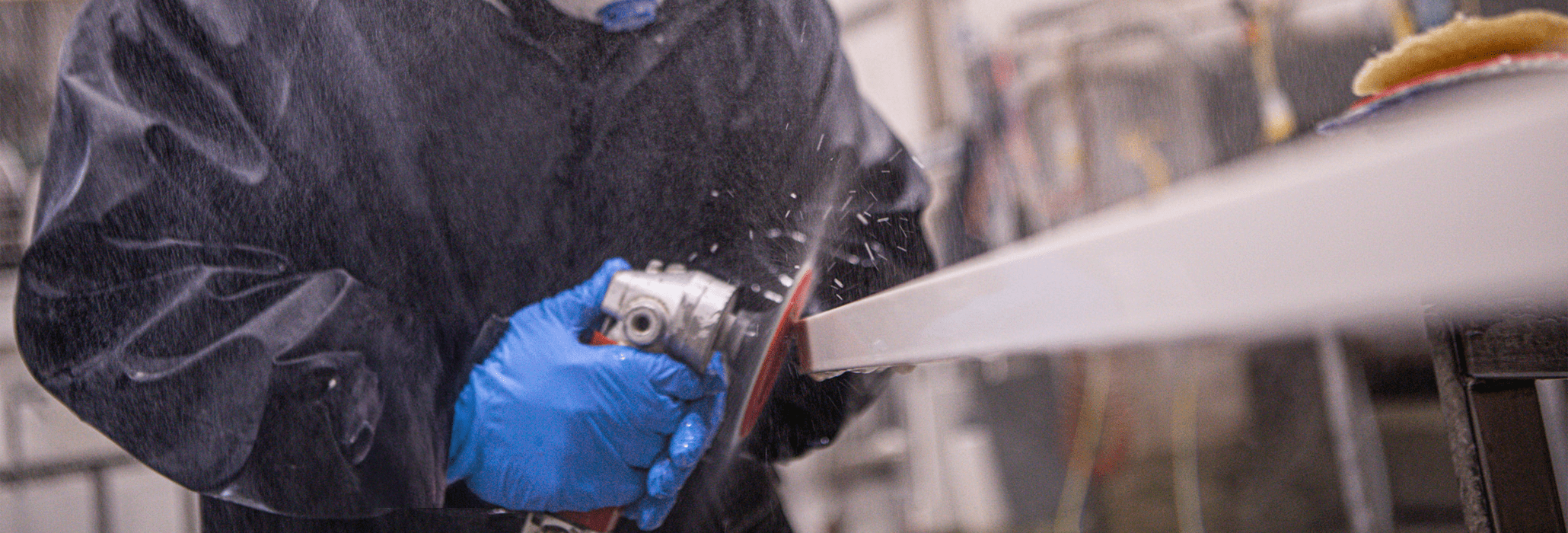
Low prices are rarely achieved by efficiency alone. More often, they reflect compromises in slab quality, thickness, reinforcement, or finishing. Lower-grade materials may look acceptable at first glance but often lack the density, consistency, or structural integrity required for long-term use.
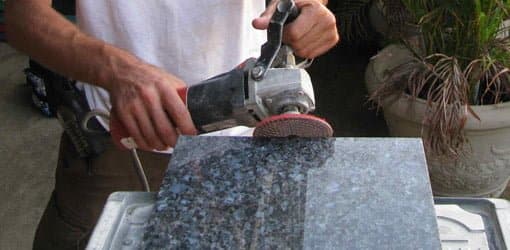
Installation is another common area where costs are reduced. Poor templating, rushed fitting, or subcontracted installers without accountability can lead to uneven joins, unsupported spans, and stress points around cut-outs. These issues often result in cracks, movement, or visible defects that are expensive to correct once installed.
The Hidden Costs That Appear Later
Cheap kitchen worktops frequently lead to additional costs such as:
-
Cracks or chips forming around sinks, hobs, or joints
-
Staining caused by poor sealing or low-quality materials
-
Uneven surfaces due to inaccurate templating
-
Limited or unclear warranties that do not cover faults
-
Full replacement costs when repairs are not possible
What initially looks like a saving can quickly become the most expensive option.

Why Installation Quality Matters as Much as the Material
Even the best material can fail if it is not installed correctly. Worktops require precise templating, correct support, and careful handling throughout the process. Without this, stress builds into the surface, increasing the likelihood of cracking or long-term movement.
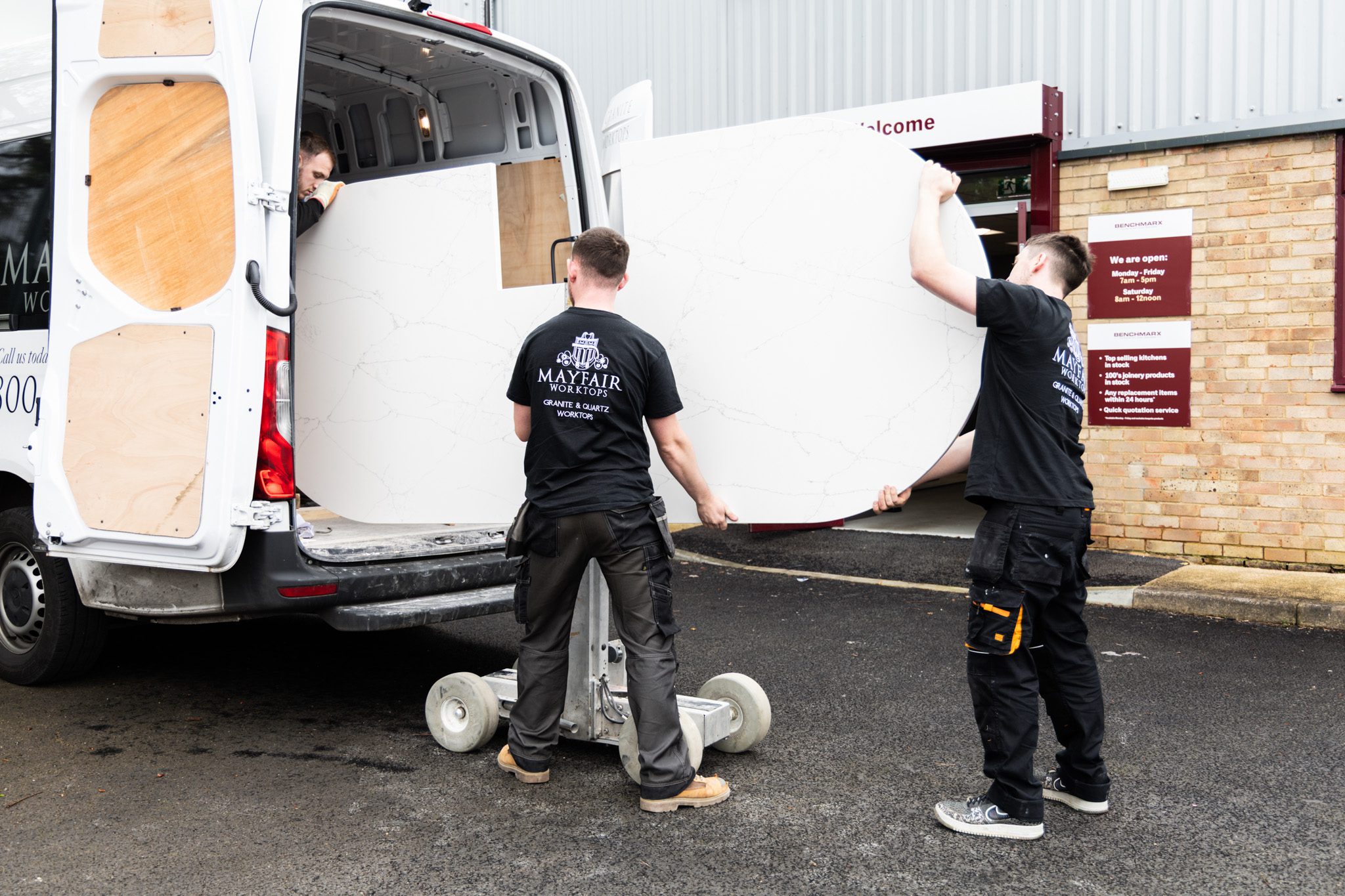
Choosing a supplier that controls the entire process significantly reduces risk. Companies with in-house templating, manufacturing, and installation teams maintain consistent standards and accountability. This is one reason why accreditations such as Which? Trusted Trader matter, as they indicate independently verified processes, customer care, and professional standards.

What to Look for Instead of the Cheapest Quote
Rather than focusing on the lowest price, homeowners should look for transparency, experience, and long-term value. A reputable supplier will clearly explain what is included, how the worktop is made, and how it will be installed. They will also offer meaningful warranties and stand behind their workmanship.
Verified reviews, independent accreditation, and proven expertise are far more reliable indicators of value than a headline price. Paying for quality once is almost always more cost effective than replacing a failed worktop prematurely, both financially and emotionally.


Making a Smarter Investment in Your Kitchen
Kitchen worktops are not an area where shortcuts pay off. A well-made and professionally installed worktop should last for decades, enhancing both daily life and property value. When viewed over its lifespan, a quality worktop is one of the most cost-effective investments in a home.
By avoiding unrealistically cheap options and choosing a trusted, experienced supplier, homeowners can enjoy peace of mind, consistent performance, and a kitchen that continues to look and function as intended for years to come.


Popular colours
The first decision is colour: white, neutral, brown, or black worktops, with or without veins or sparkle—choose the perfect style for you.






Get an Instant Quote
Request a free quote today and be one
step closer to your dream kitchen.